
Summary
In this episode of Straight White American Jesus, host Brad Onishi sits down with Dr. Liz Bucar, religious ethicist and professor at Northeastern University, to unpack the hidden costs of the modern wellness industry. Exploring themes from her new book, Beyond Wellness: How Restoring the Religious Roots of Spiritual Practices Can Heal Us, Dr. Bucar argues that consumer culture has stripped profound traditions like yoga, mindfulness, and psychedelics into a "spiritual salad bar"—trading real transformation for quick dopamine hits. Through her own raw, firsthand experiences—including a grueling silent Buddhist retreat and a transformative ayahuasca ceremony while processing the grief of losing her father—she illustrates why separating these embodied practices from their ethical, communal roots ultimate leaves us spiritually malnourished.
The conversation dives deep into the ethics of cultural appropriation and extraction, questioning how affluent Westerners commodify sacred traditions while the minoritized communities who sustained them struggle to survive. From analyzing Alcoholics Anonymous as the original "spiritual but not religious" program to unpacking a 97-year-old monk's parable on why we fail to find enlightenment, Dr. Bucar and Brad challenge listeners to move beyond self-care and re-engage with true community and obligation. Whether you practice daily meditation, teach yoga, or are simply curious about the intersection of religion and consumerism, this episode is a vital look at what it actually takes to dig a deep spiritual well.
Meet The Guest
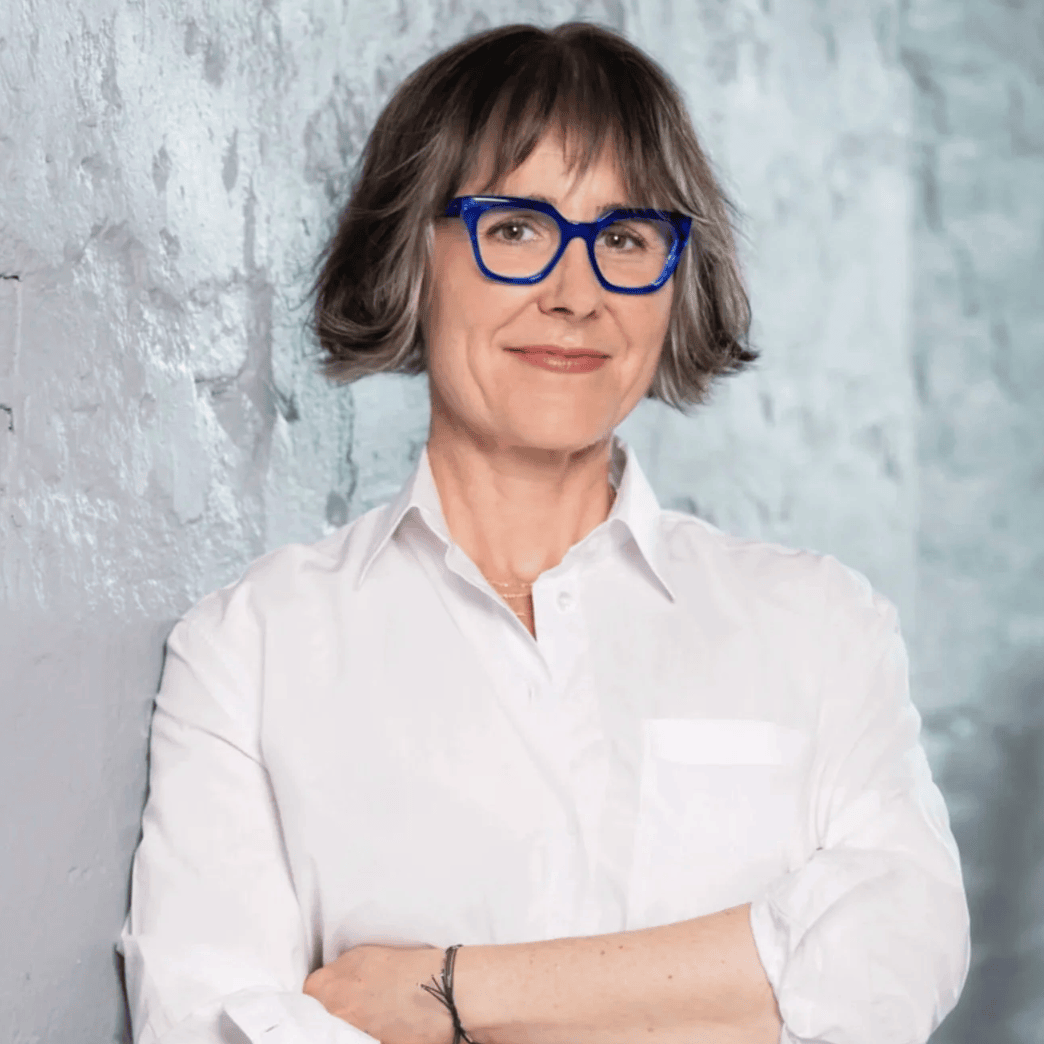
Dr. Liz Bucar
Liz Bucar is a University of Chicago trained religious ethicist, professor of religion at Northeastern University, and prolific public scholar. Her popular writing has appeared in The Atlantic, the Los Angeles Times, Teen Vogue, and The Wall Street Journal, and she is the author of four books, including the award-winning Stealing My Religion and Pious Fashion. Her writing, teaching, and public lectures cover a wide range of topics—from religion and health care to the politics of religious clothing—but generally focus on how a deeper understanding religious difference can change our sense of what is right and good.





Transcript
Brad Onishi: Welcome to Straight White American Jesus. This is the Sunday Interview. I'm Brad Onishi, author of American Caesar: How Theocrats and Tech Lords Are Turning America into a Monarchy, founder of Axis Mundi Media, co-host of this show, joined today by a first-time guest, somebody who I can't believe hasn't been here before, but is here now, and that is Dr. Liz Bucar. So, Liz, thanks for stopping by.
Liz Bucar: Thanks. This is actually fun. It's weird that we haven't, like, got to do more stuff together because we are in the same orbit. So, yeah, thanks for doing this. This will be fun.
Brad: You're faculty at Northeastern University, which is my partner's alma mater, a place that is revered in our household. Let me just tell folks about you—you're a religious ethicist and professor of religion at Northeastern, as I just said, and you've written all over the place: The Atlantic, LA Times, Teen Vogue, and other spots. You're the author of the award-winning Stealing My Religion and Pious Fashion, somebody who's done a lot of great work training scholars to do public scholarship, which is always appreciated. But we're here to talk today about your brand new book, Beyond Wellness: How Restoring the Religious Roots of Spiritual Practices Can Heal Us, and so congrats on the book. Excited to dig in. This is a book about moving past, I think, some sort of surface-level, perhaps popular conceptions of wellness into, I think, something deeper. What was the genesis of the book? What is the problem that you saw that you wanted to try to help rectify?
Liz: Yeah, so it's also my first trade book, so all my other books—before, even those award-winning books that are very readable—are university press books. So this one was my first one of kind of looking around and trying to think about where religion was hiding in plain sight for people who are like, "I don't care about religion, religion isn't important to me." And I was like, gosh, it's sort of underneath a whole bunch of this wellness industry stuff. You know, when I started the book, it was already taking a turn. People are like, "Huh, I don't know about this industry thing. I don't know if Gwyneth Paltrow is really my, like, spirit animal in the way I thought she was," kind of thing. So it was partly thinking about the wellness industry—and it's a very personal book too—like, what did it sell me that didn't work for me? And how does a religious studies lens help us see what the heck was going on with wellness culture? Where's all this—some of this stuff is really based on, often, Protestant sort of bad theology. And what would be a way of thinking about these practices that are so important and meaningful to a lot of people, so they could work better? Like, what would be a different way of thinking about the religion? How could religious studies help us understand these practices better and push back against some of the anemic understandings of human flourishing the wellness industry has sort of sold us, that are like just too low of a bar? I want more. So the book is thinking about what would "more" look like for people who are both religious but not. I mean, I'm not religiously affiliated. I'm like, I'm one of the NONEs, which I want to rebrand because I don't like that word. But I'm not religiously affiliated. So this isn't a book about converting. In some ways, thinking about like your work too, Brad—it's a little bit about, like, once we deconstruct religion, what's next? And so this book is a little bit trying to think about that: what does it look like to engage with religion in a better way?
Brad: It seems like there's a sense for you where the intended reader is somebody who's deeply interested in living a life that is one of health, one of wellness, one of balance, one of developing a sense of personal well-being —
Liz: Yeah.
Brad:—and somebody who's invested in things that have made their way into popular culture and consciousness these days. That could be mindfulness, that could be yoga, that could be other strategies and thoughts about eating, dieting, nutrition, and so on and so forth. So to me, as I was reading, I was thinking, okay, so this book is really directed towards somebody who's invested in wellness but maybe doesn't understand the religious dimensions of the wellness practices that they are engaged in. Is that a fair —
Liz: Yeah. I mean —
Brad:—is that a fair —
Liz:—there are seven chapters of the book that march my way through seven different practices, and I engage in them in containers that are more religious, to be like, what would it look like to put these back into some more religious context? I think the book is for people who are interested in—I mean, who doesn't want to be well—but where I think it's hard is that I think we haven't quite figured out what that looks like. I think I thought the book was more for people who were kind of against religion, anti-religion, but I'm actually finding that it's a lot of people who are either themselves practitioners offering these services to other people, but also people who have a deep religious commitment themselves but kind of want to understand some of these practices that they're drawn to, like, why am I drawn to this? What could it be doing for me? Or how could it be a little risky if my own values don't line up with it? And we're always looking for authenticity and like the "right way," and that's not what this book is really about, right? Like, we religious studies people don't like that idea that there's some romantic, pure version of these rituals. But I do think if you look at them in a particular given religious context—and I'm not looking at the only religious context, but like picking one and looking at psychedelics in a religious context, mindfulness in a more religious, contemplative sort of context—what is there that we're maybe missing when we just do them because Instagram told us how to do them, or we do them in a therapeutic setting, or we do them in an educational setting, which I think is how a lot of us encounter these practices?
Brad: You, as you say, it's a trade book. You do the things, and I want to get to the things in a minute, because some of them are—I mean, folks are just gonna have to read the book—but some of them are just truly fascinating, your experiences and the places you go. But it seems to me that you're really open about the fact that, you know, you're not a religious person, but you're deeply interested in spiritual things. So one of those things that seems to have been part of your life for a long time is yoga. I'm just wondering, like, how have you up to this point kind of balanced the fact that, hey, I'm not an institutional participant in religion —
Liz: Yeah.
Brad:—but I'm also committed to yoga to the point that I'm going to become certified, I'm going to become a teacher, and so on and so forth?
Liz: Yeah. I think that's right. I mean, I think people—I say I'm not religious because I'm not religious the way that people think about religion, right? Like, I don't have an institutional affiliation, I don't belong to a traditional community, I'm not part of the big five religions. Yoga, for me, has been something that I would never have thought about as religious, which is, I think, how a lot of Americans who practice yoga don't think about it as particularly religious. When I started out, it was something my mom did. She learned it from PBS. She taught it—she was a white lady of yoga before that was a cool thing—and it wasn't part of Sunday school that I went to as a kid. It wasn't part of my mother's Lutheran practice either. It was very, very separated. I started, like most people, with back issues or something. But for me, the deep dive into yoga—which I actually started for my last book, which is about the cultural appropriation of religion, because I did so much of the embodied practice—I was kind of freaked out about doing the training. I thought it was going to be really hard, so I practiced yoga every single day for basically twelve months, like a pretty intense physical practice, before going to teacher training, and then being in this intensive training for like a month where I was really just reading about all these different cultural and philosophical roots—it shifted it for me. And it actually made me come out thinking about my yoga as devotional for the first time, which was the first time I could say that out loud. I kind of whispered it out loud a little bit in my last book, because again, I'm not a religious person. I wouldn't even consider myself really a spiritual person until this book. But learning more—and that's the teacher in me—the more I learned, I was like, oh no, there's some stuff here that's really sticking with me. Some of it's metaphysics, some of it's like core values and ethics, some of it was the communal aspect that was making the yoga work on me in a different way. There were some consequences to that too. It meant I didn't really want to teach it anymore. I didn't feel comfortable teaching it, because I didn't want to be a guru, or I didn't want to be a religious teacher—I didn't want to be a Sunday school teacher in the yoga studio, for example. But I could do it at home as my own practice, or I could be in a class with other people and sort of have it be that way. So it really shifted, in an uncomfortable way, how I think about yoga and the power of it. And for me, it works better this way, but there are things I can't do now—but there are things that I think, because I'm more intentional about them, are remaking me. This is the yoga chapter, by the way. I mean, there's one about fitness in general, but I think the yoga chapter is really a chapter about how religions do embodied things—they use our bodies, they repeat things—and that's part of what people like from the outside. Oh, I want to try that thing on, that looks cool. But those practices are never separate from the beliefs. They're always meant to reinforce the beliefs, and that's sort of what the deep dive into yoga taught me. It was like, oh, these are changing the way I think and believe and see the world. If I understood that better, it could change me more—or also, maybe there are some things I don't want to do because I don't want to change that way. So it's really a chapter about how embodied practices change your character. Are they a way to cultivate virtue? And if you're intentional about them—keeping your core values in alignment with them, thinking about the teacher you choose, the place you do it, the community you do it with, what you understand about some history or philosophy, or some of the cultural context—I think they can just work better for you the more you know.
Brad: One of the things you write on page four is, "I suspect popular spiritual practices are functioning like dopamine hits that prevent us from putting in the hard work necessary to live fully ethical, relational, and sustainable lives." And I guess that to me seemed to be kind of the heart of the book—the idea of a dopamine hit versus something else. And as I hear you talk about yoga, there's in some ways something else, something beyond just, oh, I feel good, or I went to yoga, now I feel better today because I did my class, and then I get a smoothie, et cetera.
Liz: I think yoga gets a bad rap for a good reason as being sort of a practice of spiritual bypassing, right? It's a thing we do to disengage from the world around us. We do it to calm down. If there's political injustice going on, we go to the yoga studio to "let it go." And partly it's the language that's used in teaching, right? "Let it go." "We're building resilience to the bad things." And I think the concern—my concern about that—is it becomes this form of spiritual bypassing where you're not dealing with the fact that the world is kind of burning down around us. Like, we are in, however you want to put it, interesting times, chaotic times, difficult times. Practices that make us forget that—I think those are concerning to me. Obviously I don't want people not to have their self-care practices, but I want to find a spirituality or religion that's engaged. That's what I'm personally looking for. I want one that helps me process my rage and use it, not just forget about it or not feel it. And so I think that's right—the dopamine hit. It's interesting because I think a lot of people think that religion—I say that religion has a PR problem a lot. Like, I think a lot of people, I mean, you know this, right? A lot of people don't like religion. A lot of my students don't like religion. A lot of my peers don't like religion. But I have a little bit of a reaction to the word "spirituality" too, because I feel like I've been sold this very light version, this woo-woo version again—this form that's about "follow your gut," as if your gut isn't formed by things around you. It's very individually curated, and it's about chasing the good vibes and that dopamine hit, and not really the work of discipline and conviction, which is the stuff we don't like about religion, but I think that's the stuff that kind of works. So yeah, that's exactly right. I think you pulled out a really nice overview of the whole argument: what would it look like not to think about these practices as dopamine hits?
Brad: One of the other places you go—it's pretty amazing, and again, folks will just have to read the book to get the full rendering—but you go to West Virginia, which is, you know, when people picture West Virginia, they picture a lot of things: mountains, rural, bucolic places. But you went to a Buddhist intentional community, a monastery. Your taxi driver was like, "What is this place? Should we be here?"
Liz: Brad, it's so far out in the middle of nowhere. That's right, yeah.
Brad: And you kind of didn't want to go. I mean, I don't want to spoil it all, but this is not one of those places where you can't wait to go. You're like, this is going to be kind of hard, and I'm not sure what's going to happen here. What did you take away from that experience? Going into an intentional community, a monastery that's truly in the middle of nowhere, in a place people wouldn't expect, that does demand the kind of discipline and commitment that you just talked about.
Liz: Yeah. I mean, I think I had positive takeaways, and then things I also learned about myself in meditation. So, sitting meditation is not a practice that I enjoy or am good at or really integrate into my life, and I knew going into a silent retreat for a week where I was going to be sitting for nine to ten, eleven hours a day meditating was going to be like torture, and it was physical torture for me, right—without a lot of food, not a lot of breaks, and a lot of rules to follow. I was in an unheated cabin. I feel like I just had all this kind of bad luck, bad karma hitting me there. All that said, I think partly what I took away from that was: you don't have to like all the things. Not everything is gonna work for you. It's not one size fits all. But that being said, being in that community and being able to have the dharma talks—those were amazing to me. And getting to interview the abbots, the co-abbots of the monastery, about what I was interested in and what I was concerned about. I told them, look, we have this mindfulness minor at my college, and I kind of don't know about my students just trying to collect a minor in mindfulness. I feel like they're missing something. And so hearing the abbots tell me what they thought people were missing in mindfulness—and these are pro-mindfulness, pro-meditation monks, that's what they teach, this is why they open up the monastery for these retreats—but they're like, look, it's not just the meditation. It's like one leg of a stool. If you don't do it with the ethics, if you don't do it with the communal, giving-back part, the stool falls over. It's dangerous. It doesn't work that way. So the understanding of how, in that particular strand of teaching, that particular lineage, they thought about meditation embedded in these other practices and big concepts was like, yeah, right—we're only getting sold one leg of the stool, partly because of what happened: it got medicalized, it got therapized, it got universalized, domesticated. But like the other parts of the stool are important. And then I'll share one story, because I just love the little stories that Bhante G gave me. He's this ninety-seven-year-old monk who is famous for sort of helping mindfulness go mainstream in the West, actually. And he just told me all these great little stories to take back and put into the book and give my students. And the one I like the best, which is really not even about mindfulness, is the one about digging a well. So he said—because he said, "What are your students doing wrong?"—basically, he's like, "Here's what you should tell your readers and your students: they come to me looking for enlightenment. They come to me looking for water. And I tell them, look, if you want enlightenment, if you want water, you gotta dig a hundred-foot hole. That's the answer." And then they go away and they dig ten ten-foot holes and they're like, "I never found enlightenment, I never found water." And he's like, you just gotta pick a place and dig. And I think that's part of what's happening right now—looking for the next dopamine hit, just grazing from this spiritual salad bar, trying on little things quickly without knowing what you're getting into, and not sitting somewhere and digging for a while, which is not as much fun. And you might hit a rock. For me, it was like, okay, I'm not gonna find water here, I'm gonna find a different practice. But that idea of sitting and being disciplined is a nice little story that's really helped me think about what part of what we're getting wrong by avoiding the discipline, avoiding having more conviction in what we're doing, and avoiding the work. We don't want the work. We just want the shortcuts. That's not always true—some people are really interested in some of the work—but the work is the boring part, and the work can often be the payout. It's like the friction, the discomfort. I've been using a lot of metaphors about weightlifting, because I'm a midlife woman told that if I don't lift weights, I'm going to break my hip and die early, so I lift weights. And the thing the trainer always tells you is: it's about time under tension. It's about the discomfort. You don't build new muscles without breaking things down first. Without that discomfort, the growth never happens. And I think we've kind of been forgetting that. And that's part of what many of us don't like about religion—high-control religion, we don't like it. We don't like the shame. We don't like someone else giving us rules. But then I think we forgot that there were maybe some valuable parts there that we could learn from, or at least have a conversation with, that would help us understand more what we're looking for.
Brad: I want to come back to the spiritual salad bar and the weightlifting—I think there's a lot there to tie back in. But I want to ask about one more example. And I can hear in my earpiece the publisher and your agent being like, "Don't give away the whole book, please, Brad." So I won't. There is a great chapter on psychedelics, and it's psychedelics—who doesn't want to read about psychedelics? And I'll just leave that hanging there for people to realize they need to read the book.
Liz: I'll tell you three things without giving anything away about that. One is, it's the chapter I didn't want to do. It's the thing I didn't want to do. Like, I was happy to do all the other things—yes, I'll go to a monastery for a week, at least they'll cook for me, it's fine. I'll do the sound baths, thirty-six hours, six sound baths, whatever, all the things. I was happy to do. I didn't want to do the psychedelic. I'm really, really straight-edge that way. I don't drink or anything. But it was the most life-changing and life-shifting for me. And I'll just tell you: my people who know me very well—so my sister, one of my sisters, and my mother—they read the book right away, and they called me right away when they read that chapter. And my mom was like, "I learned a lot about you." And my sister—she had a little bit the same reaction I did, which for me was that the chapter is tied up in my grieving of losing my father a couple of years ago—she, who also does not really do psychedelics, was like, "I'm actually considering maybe doing something to have that sort of experience with the grief that I've been sort of bottling up." So it's a very intense chapter, and I guess I shouldn't give away too much, but there are a lot of wild things that happen. That's the chapter where someone's like, "You did some unhinged things for that book," and that chapter for sure has a really fun story—what happened in a yurt for three days with no food and ayahuasca in my system.
Brad: You know exactly what you thought you would be doing when you got a PhD.
Liz: The University of Chicago thought it was training me to do that.
Brad: Yeah, well, they should put an article in the Alumni Magazine about you. So I want to do some higher-level discussion of some of the concepts in the book, but before we do that, let's go to one more thing, which is the AA/Al-Anon chapter. And I know this is a very personal chapter in some respects, but for no other reason, I think it'd just be worth it for folks who are listening to get a two-minute understanding of the religious roots of AA. I think some people are aware of that, some people are not, some people like that, some people don't. But it's kind of worth just hovering on for a second, because it's something that touches a lot of people's lives, and a lot of folks may not know where AA comes from.
Liz: Yeah, that was another chapter that was really, really hard for me to write. I had to write through a lot of different things to figure out a lot of different things about myself, writing myself through that chapter—not about my own addiction, but addiction runs in my family. I think my interest in that chapter was a lot of people were like, "Why is there a chapter about AA in this book about wellness?" But like, AA is the OG spiritual-but-not-religious therapy technique—that twelve-step program that we offer in the US, at least, to everybody, in some version of it, if they have some form of addiction. That's just how we treat addiction here. Not true in other countries, but definitely true here. And in the chapter, even though AA itself would insist that it's spiritual but not religious and doesn't have religious roots, there are religious roots. It's just undeniable. So it comes out of—I mean, the early founders, which I walk you through—basically it's based on the Oxford Group, which is a Protestant non-denominational form of Christianity. It really pulls from that. The twelve steps are based on their ways to avoid sin. And even if you look at the twelve steps today, or the traditions, or read the text, it's God. And it's Christianity. It's Protestantism all throughout it—God with the capital G everywhere, higher power everywhere. It does really try to be open, and is open, to people who are not Christian. That's part of what they want—to be open to everybody. But those roots are important, because I think for some people that means it's hard to work the program. If you're deconstructing religion, like, if you've left the church and you're sitting somewhere and you're having to read these twelve steps out loud, and you're hearing God everywhere, it's hard not to hear religion there. So I really wanted to think about what it means that this form of therapy is so Christian and so religious, and how is that making it not work for some people? But then also, what could be? I mean, in every chapter, I'm like, what's the portable idea here that would work for someone, even who isn't an addict? What's the core of AA that a non-religiously affiliated person can maybe learn from by conversation? So I kind of struggled with that chapter. I wasn't sure at first—I was really going to focus on AA being used in institutional settings, like prison settings, because there's all this really interesting legal case work about people being basically told, "I can't get visitation rights unless I do the AA program, and I'm an atheist—what do you mean?" So there's that angle on it. But instead, I wanted to go a more personal direction, and I sort of wrote through it. My father was an alcoholic, which is something we never talked about and never named until he was seventy, but I had never been to an Al-Anon meeting—which is the meetings for family and friends of alcoholics—and that's what I did for this chapter. And tried to think about, like, okay, what is there here for my dad, who was offered AA and was like, "I'm not like this. This is for religious wackadoodles and I don't believe in religion. I can't work this program at all." And so it was really me thinking about, well, what part of it was he reacting to, and is there a way to slightly shift some of the framework, so it still has what I think is so central to all religions—that sort of decentering of you and your control and your ability to be the main character, the one who's steering the boat of your life. I mean, I think what I love about religious worldviews, and particularly what I've learned a lot from indigenous worldviews, is decentering not only me but humanity. And that's always what religion pushes on. That chapter ends up being a chapter looking at "higher power." Higher power made my dad so itchy. Kind of makes me itchy. Oh, I'll tell you a little bit of tea, actually, Brad—I was almost invited to be on a podcast with somebody, and they were looking at all my writings, and I've been writing kind of like almost as a public theologian on Substack, and this book is about religion, and they said, "But is Liz a believer? Because we can't have her on the show if she's not a believer." And I was like, "What do you mean?" Like, I believe in all kinds of things. What they meant was, do you believe in God with a capital G—which is not something I felt comfortable sort of saying. So I think I should pass on that podcast. But I can—I mean, that chapter for me was like, hey, if "higher power" just means "I'm not God," I'm on board with that. And that's actually a pretty big concept, a pretty theological concept. But it's very helpful to me, even if I can't say I believe in God the way this other podcast wanted me to articulate. So yeah, that was a really fun, difficult chapter to write through, but fun.
Brad: Well, now I'm wondering how you got past our producers—and our producers are me, I don't have any producers—so if I would have known that, who knows. I'm just kidding.
Liz: That podcast was, because I was like —
Brad: Yeah.
Liz:—miss the test for being on this podcast, and I was like, yep, there's a test.
Brad:Well, Erica Kirk said no, and she just took a stand, so you weren't able to come on, Liz. All right, there's a couple—so there's more here, folks. And as with any book we talk about on this show, or any show, there's just no way to render it in full. You have to read the book and get the full picture—for the psychedelics, for everything else. But there are a couple concepts I'd really like to dig into before we close today, and these are points in the book that made me sort of really think about various communities, various aspects of religion in this country and beyond. So, you start the book with this idea that the spiritual salad bar is not serving us. What is the spiritual salad bar, and what did you want to do to change it in this book?
Liz: Yeah, so the spiritual salad bar is sort of how I think about how a lot of people are encountering what I would call religion. I know people think that religion and spirituality are very, very separate, but often, for the most part, scholars of religion just see that as a category distinction. It's like a normative distinction. Spirituality is the stuff we call what we like about religion, and religion is the stuff we don't like. So to me, the spiritual salad bar is how a lot of people—almost most of my students, most of my peer group—are encountering religion, because they're not part of a religious community, and they do not want to order off the menu anymore. Their mom was a Lutheran, they do not want to be a Lutheran. They don't want to be a Reformed Jew. They don't want to be a Presbyterian. They're not Jain, they're not Bahá'í, whatever. So not ordering off the menu, they want to go to the salad bar, and they want to pick and choose the things that they like, and often those are practice-based. So this book is looking at seven different practices from that salad bar. And you know, you put on your plate sometimes things—like cottage cheese. Right now everyone's eating cottage cheese. Are you in California? No, where are you located?
Brad: I was. I'm up in the PNW now.
Liz: Oh, that's right. That's right. So in Boston, you cannot get cottage cheese. We are out of cottage cheese every Sunday. There's cottage cheese constantly because we've been told that cottage cheese is a thing that will—whenever—it's the protein thing. So it's like, what's in vogue right now? Is it staging your apartment? Is it tarot reading? Is it, you know, mindfulness? It's mindfulness. Short answer, yes, it's mindfulness right now. Yoga, all that stuff—we pile it on our plate because other people have told us it'll work for us. We pick and choose what we like, we combine the things that we want. And I just think it's not working that well for us, because sometimes we just don't know what we're putting on our plate. Sometimes there's risk involved. Like, there may be salmonella in the kale. Kale is good for you, but maybe the kale has salmonella in it, so probably we don't know the ingredient list anymore. Which means that for me, I might be lactose intolerant, so cottage cheese maybe isn't good for me. So, understanding your own core values, understanding what a practice is meant to do, whether that lines up with your core values—I really wanted people to engage with these spiritual practices more robustly. Because I think when you do that, when I add back in religion in this book, I always end up adding back in community, and I think those two things—and I'm not really going too deep into metaphysics in this book, that can be another book, because that's a whole other can of worms—but I think if you add back in that sort of community container and the ethical core that these practices often were done in relation to, they just work better for you. So I kind of just want that. I'm not trying to get people to stop combining religious traditions or practices—that's how American religion works now, we don't order off the menu anymore, that's fine—but I think there are ways to do it that are more responsible, more ethical, more communal, and more—for me—politically engaged. And then I think the other part, which we haven't really talked about, is that some of these practices come with risks, and we haven't been told that. We're just sort of told, "More mindfulness is good. All the yoga in the world is fine, do more yoga." I threw out my back doing yoga. There's something called meditation sickness. You can meditate too much—it can cause psychosis. Psychedelics are a good example. There are risks involved. And one thing that's helpful for me is understanding how, when traditions, when more religious or devotional traditions engage these practices, how do they mitigate risk? How can I integrate that? What did they do? Partly it was communal, partly it was liturgical. How did they figure out that these things are so powerful? We want these things because they're so powerful, and we think they can heal us and change us. But if they're powerful medicine, they're going to have side effects for some people. Like, I'm allergic to penicillin—penicillin is great for most people, but not for me. So, understanding the side effects so that you can mitigate the risks, and then understanding what they're meant to do so they can work better for you—that's kind of how I want us to engage the salad bar a little bit differently.
Brad: One of the ways I thought about it as I was reading is that it seems as if you want folks to understand the ingredients that they're putting on their plate, rather than just thinking that whatever is at the salad bar is good and they should take as much as they can and eat it. I think the question I had beyond that was—okay, so if one version is a kind of spiritual dopamine, and another version says, well, yes, still looking for that, but going to do so in a way that I have an understanding of where things came from, where the kale came from, where the cantaloupe came from, where the cottage cheese came from, and be engaged in a way that is more aware of the means of production—as I was reading, I was wondering: okay, but both of these are still models where someone is grabbing and taking. What about the communities that are fully invested in cultivating, developing, and sustaining them? It strikes me that the only practice of the seven that is probably a kind of Christian-rooted practice—which in this country means a majority of white folks, practicing the dominant religion in terms of numbers—is the AA sort of chapter. The others are really based in communities that would be considered minoritized religions, that have been deemed un-American, on the margins, not really viable. So I guess for me the question was always, well, where do those communities fit in a salad bar model?
Liz: Yeah. So the other thing to add on your point just there—a lot of the other chapters, and a lot of things that were sold as these sort of spiritual practices, are indigenous practices, Asian and Eastern practices, because we have this very romantic idea that ancient wisdom is going to fix us and solve us. Although when they go mainstream, they get tweaked to look more Protestant. I think that's kind of what happened with mindfulness—it gets processed, and all these practices, that happens with them. So they're all kind of Christian in the end, once they get churned through American culture. My last book was all about that—about religious appropriation, and what do we owe communities that we borrow from. And we need to, particularly me as a white woman of privilege, think about what forms of structural injustice are enabling me to borrow this thing, and then again, what forms of injustice am I making worse by the borrowing? And in some ways I want to leapfrog over that almost, and think about—I don't want us just to take things from the salad bar to feel better and get those good vibes, longevity, good biomarkers, okay? Like, my biomarkers are fine, my lean muscle mass is fine, my Whoop tells me I'm ten years younger than I am—that is not full human flourishing. And so I think the other thing to think about is, on the back end, what do we want if we want these practices to make us fully human and fully engaged? Maybe it's a reaction to AI or technology, maybe it's trying to figure out how to interpret and respond to the political chaos that we're in. I want there to be an openness to not just the good vibes, but all the vibes. How do we deal with rage? How do we imagine something that we can't see coming right now, because it's really bad right now for a lot of us in a lot of different ways? How can we use our more intentional spiritual and religious engagement to sort of build that up too? But your initial question is the core of my last book—really understanding when you're doing this borrowing, how are you engaging and interacting with communities, and what do you owe them, and what kind of harms are you causing? I mean, there's a reason the psychedelic chapter is not about indigenous forms of plant medicine, because those are often ceremonies that non-native folks are not invited into, and I respect that—that's not for me. So where are the communities that are more inviting and welcoming to outsiders and have that sort of openness? A lot of this is finding the right teacher and the right community, so that you're not doing something extractive and exploitative.
Brad: Yeah, yeah. I'm thinking of Carolyn Chen's book Work Pray Code, where there are these interviews with teachers and Buddhist leaders in the Bay Area of California who are like, yeah, on one hand mindfulness is more popular than ever. On the other hand, if I want to teach mindfulness, I have to go to the Google campus because that's where everyone is, including the folks who used to come to my temple. And so there's no more temple, there's no more people giving to the temple, there's no more people serving at the temple, there's no more people putting blood, sweat, and tears into making sure the building doesn't fall down, or the garden is cultivated, or the kids are learning the lessons they need to learn. It's everyone at work at Google meditating, which on one hand I guess is good—I don't know, we could talk about that—but on the other hand it does sort of change and in many ways deplete the communities —
Liz:—that are feeding it, right? Well, and so what Bhante G would have said, or what the monastery experience would sort of say, in that Theravada tradition, is that the meditation should always come with dāna and sīla. And dāna is the giving back, the patronage part. So, like, if you go and meditate at the free monastery, the idea is that you're supporting it by giving back. So that temple not being supported anymore is the fact that we have extracted this one practice, added from the fuller context of what it was meant for, and now there's not a community there that can support it in the way it was meant to be supported. And I think that—I mean, all these practices—I mean, the list I originally had, you know, I was going to do a thing about smudging, sacred smoke, where there are all these kinds of problems with white sage being over-harvested. And then when these spiritual practices get borrowed from outside the community, the community itself is at risk of having them work the way they want them to work. There should always be—and again, that's in my entire last book—I sort of just explain it like the last book is "yucking your yum"—it's trying to make you feel guilty in a way that I think is really important, especially for folks like me. This stuff doesn't come without consequences to anybody else. You need to know there's harm—there's real harm here that's unintended, but that doesn't mean it's not there. And then this book is a little bit like, okay, once you've got that and you're careful about that, where do you go? Like, what's the next step? How do you go forward?
Brad: Yeah, I mean, I think on that—so on page 205, which is near the end of the book, and I know we need to sign off here—you talk about how religion needs to become a conversation partner, and when one engages, as we've been talking about today—yoga, mindfulness, and so on—it can't simply be, I stop in, I get my dopamine hit, and then I check out, go get a smoothie, get some açaí, jump in the sauna, and so on. You mentioned weightlifting earlier —
Liz: Yeah.
Brad:—and are you a weightlifter, Brad? Are you a lifter?
Liz: Are you a weightlifter, Brad? Are you a lifter?
Brad: I have been. I have two tiny children, and —
Liz: Right now, remind me —
Brad:—not enough time. And I find weightlifting to be good for me, but usually pretty boring. I'd rather be surfing or hiking or something else. But let's just stay on that track—so we can weightlift, and that helps with bone strength and muscle mass as we get older, and we can talk about all kinds of other sports and exercise and things that keep us healthy, diets and food. Do rich white people need spiritual practices? Like, do we need this? Because part of me wonders—there's such a wrestling with engaging with this, and the ways it can be good, but there's such a resistance for a lot of folks, like, well, I don't want to be part of the institution.
Liz: Yeah, yeah.
Brad: Which is like, I don't want to go serve at the temple on Saturday morning, I don't want to volunteer on Wednesday night, I don't want to have to do the things that are yucky or boring or painful, I don't want to buy into the metaphysics. Like, I have a lot of Asian American Buddhists in my life who are like, you know, when we go to temple, everyone's white and nobody actually believes in dharma —
Liz: Yeah.
Brad:—and so we just feel like we're not really welcome anymore. And —
Liz: There's no karmic merit anymore, and yeah, yeah.
Brad:—Japanese American Buddhist temple, because everyone's white and doesn't believe in karma. So I guess, like, a really blunt question is, do rich white people need this? Or can we just, like, have them stick to biohacking, weightlifting, surfing, hiking, going to a cycle class? What do we need this for? Rich white people, do you need this? You have a lot.
Liz: Everybody needs it. So, here's why. All the things you're talking about—that's how I would define wellness. That's the bar down here, again. It's like your diet, your activity level, your blood work, what's my bone density, what's my BMI—all these things I've been told about, longevity, thinking about human life in terms of longevity. That to me is just such a small definition. And I think this is my religious ethicist heart—that's what I'm trained at Chicago not to do: think about what it means to be human, like to really be a human. And it's to be engaged in the world. It's to be ethical. And I think the secular left is not really great at this either. We've kind of forgotten some of these harder conversations. Like, when you say people don't want to go to the temple because everyone there is white and they don't believe in karma—I totally hear that. But when you say people don't want to go to temple because they don't want to be obligated to other people, I'm like, that's what real community is. Everyone feels isolated and alone, but we forgot that real community isn't just having people show up for you—it's you showing up for them. And that obligation, and the skin in the game. And I just think, for me, when I think about religion as a conversation partner, it's like having these bigger philosophical conversations. Like, the chapter about sound baths isn't really about gongs and singing bowls, although I do write about that. It's more about what does it mean to be a good listener and a deep listener, and how have we forgotten about that part of human life? And what does it mean—I don't want Bryan Johnson's life. He may live to be whatever, a hundred and ten, but he seems very isolated. He doesn't eat past eleven o'clock. No, thank you. That doesn't seem like a totally rich and full life. And I just want to have those bigger conversations. And I've been thinking a lot about it politically, and this is why you want white people involved in it too—I think it helps us imagine something more than, okay, things are breaking. I would say we probably agree—because I think we probably politically align pretty well—things are breaking apart right now. We're having climate catastrophe. Tech is scary. Politics, forget about it. So, there's a nihilistic place to sit, or there's an idea that we're transforming into something new, breaking everything apart so we can build something new. And I think having these bigger conversations about what a full human life looks like, what humanity is about, what human flourishing looks like—beyond the biomarker stuff—is how we start to imagine what we want going forward. So I do want the white people involved in that too, because I think we never were really involved in that project. So I totally hear you about the "can people stay in their lane" thing—that would be awesome—but I do think this bigger philosophical conversation, in some ways, is helpful.
Brad: Yeah. No, and it's not about being white—it's more like, I think, if you're going to invest in this way, shouldn't you just be a joiner? Like, shouldn't you commit to joining the institution, the tradition?
Liz: I mean, a lot of us still feel that religious institutions are not fit for purpose anymore. Like, we have to build something new. So, what would I join? I don't know what I would join. And so I think that's partly what this is, what the beginning of thinking about is. I mean, this book continues then kind of in my Substack too—what are we trying to build? What is missing? Because if I'm optimistic, we're in a moment of reimagining something cool and interesting that gets us away from the partisan. I don't have religious trauma in the way that lots of my readers do. But there's a whole group of my readers who are like, I have all this religious trauma, this institutional trauma, I can't go back to that. I hear that. And then I'm also writing with people who are more like me, like—these institutions don't work for me. So what are we building together? Yeah.
Brad: Yeah. No, makes sense. But that's what I'm—I think, for me, as I finished the book, I was like, well, the salad bar still tastes good. The place it came from doesn't. And that's where I'm like, if you want to taste the salad bar and be invested in the means of production, that probably means joining an institution that's imperfect and yucky in some way.
Liz: Yeah, imperfect. Trying to find a teacher. I think a lot of it involves joining something. I think you can't do it by yourself. So it's like, maybe finding a good teacher, maybe it's finding a good community, maybe it's finding an imperfect community or an alternative community, and then the question is what you do with that. I mean, there are all kinds of much more progressive, alternative sorts of traditions already trying to reimagine what religion might look like. It is hard to imagine going alone and having it kind of work better. All right, I could keep doing this. People who know me know I'll just keep talking to you for two hours, and I won't do that to you. Tell us where people can find you. The book is out now. You're on Substack. You can buy it anywhere you can buy books. If you go to my website, which is just my name, lizbucar.com, I've got all the links to all the places you can buy it. And yeah, I'm on Substack. I started one when the book went to press, and it's called Religion Reimagined, and I write quite a bit there. And the best thing about my Substack is I have very engaged readers, so there's always hundreds of comments after every post I do. That's an example of like, I'm trying to set the table there, right? I'm not an institution, but I'm trying to create a space where people can have some of these conversations with each other. So my posts are one thing, but the conversation, the comments are usually really rich.
Brad: All right, fantastic. Go look for the book, folks. You can find Liz on Substack. And as always, we'll be back this week with great content on Monday or Tuesday, It's in the Code on Wednesday, the weekly roundup on Friday. Be on the lookout for some kind of big announcements coming from us, as well as our next bonus episode for subscribers. If you are a subscriber, stick around—I've got about five more minutes for you, just to break down a couple things that have been happening and to continue a little bit of this conversation. But for now, we'll say, Liz, thanks so much for joining us. Thanks for being here. Best of luck as you try to get on as many Christian podcasts as you can without being a believer.